There are no products in your cart
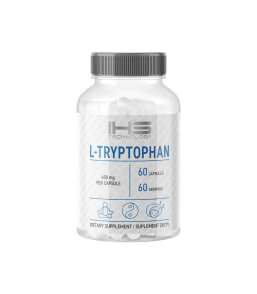
zł25.00

L-tyrosine is an amino acid that the body uses as a building block for catecholamines such as dopamine and noradrenaline. In practice, L-tyrosine supplements are most often chosen by people who want to support cognitive performance when the nervous system is under pressure: stress, intensive mental work, reduced sleep, long hours of concentration, or periods of high workload. This is not a classic stimulant and it does not work like caffeine. Tyrosine makes the most sense as “neurochemical backup” when demands temporarily increase and focus tends to drop.
The capsule format is a real advantage here: the serving is consistent and repeatable, with no taste and no unnecessary additives, and it is easy to build into a routine. That matters because with regulatory, physiology-supporting ingredients, consistency often matters more than chasing a short-term “kick”.
A key point is that, in the EU, there is scientific recognition of L-tyrosine’s role in the normal synthesis of dopamine and catecholamines (dopamine, noradrenaline and adrenaline). This is the honest physiological core of what tyrosine does, without inflated marketing claims.
A second point is the body of research looking specifically at high-load conditions. Reviews of the literature suggest tyrosine may support selected aspects of cognitive performance particularly during acute stress or demanding tasks, rather than in low-stress, “comfortable” situations. In other words: tyrosine tends to be most relevant when the brain is under pressure and performance would otherwise decline.
L-tyrosine is a precursor in the catecholamine pathway. Put simply: the body can convert tyrosine into L-DOPA, then dopamine, and subsequently noradrenaline. A key enzyme in this process is tyrosine hydroxylase, often described as the rate-limiting step in catecholamine synthesis. This helps explain why tyrosine appears in research on performance under stress: when demand and turnover increase, providing adequate substrate may help maintain processes that rely on catecholamines.
It’s still important to stay realistic: the body tightly regulates these pathways, and tyrosine is not “dopamine in a capsule”. Its value lies in supporting normal physiology, not forcing artificial stimulation.
Human studies have observed that tyrosine may reduce the typical decline in cognitive performance during stressful conditions (for example, tasks requiring alertness and faster reactions). Reviews suggest the effect is most likely “under pressure”, rather than when everything is already optimal.
If your main issue is maintaining performance quality over many hours, tyrosine is often used not to create extra stimulation, but to support steadier cognitive function when the workload is high.
Stress, cold exposure, high exertion or sleep loss are common contexts in which tyrosine has been tested. This matches its role as a catecholamine precursor.
L-tyrosine is generally considered well tolerated in healthy adults, but extra caution is sensible in specific situations:
if you have thyroid conditions or take thyroid medication (tyrosine is also a precursor for thyroid hormones),
if you take levodopa (L-DOPA) or medicines affecting dopamine pathways,
if you take monoamine oxidase inhibitors (MAOIs) or other medicines where your clinician advises caution with supplements affecting neurotransmitters,
pregnancy, breastfeeding, chronic conditions, or long-term medication use – in these cases, speak with a healthcare professional before use.
L-tyrosine capsules are a sensible choice for people who want a structured, evidence-based approach to focus and cognitive performance without relying on heavy stimulation. Its key value lies in its role in the normal synthesis of dopamine and catecholamines, and research suggesting support for cognitive performance during acute stress and high demand. The capsule form makes it easy to stay consistent, and consistency is essential if your goal is stable, predictable support.

As of 05/04/2022, some of our products will be available without IHS logo capsules. If you have any doubts about the originality of a particular product, please contact our team.
The easiest way would be to send photos of the entire product to our email address or via social media. Based on the submitted materials, we will try to verify as soon as possible.
We apologize for the inconvenience.
IHS Team
Others bought

 Cookies